

Educational and research institutes
From theory to impact.
We open our food-fermentation platform to institutes for teaching, applied research and pilot projects.
Why we work with institutes
Fooditive is a food-biotechnology company in Rotterdam. We license fermentation technology to food manufacturers. With universities and research institutes, we work on theses, applied research, grants and pilots.
Students get real industrial questions. We get fresh ideas and the people who will shape food production next.
Apply for pilot accessThe challenge
Theory meets industrial reality
Science students rarely get access to an industrial fermentation platform.
Business students often study models without the regulatory and supply-chain realities of biotech.
We help close that gap, from strain work to regulatory strategy.

The partnership model
Two tracks, one platform
Science faculties
Biotechnology and food technology
Students and researchers work with our platforms on theses and applied research.
- Real scale-up questions. For example: raising the yield of a fermentation, or stabilising casein in a plant-based matrix.
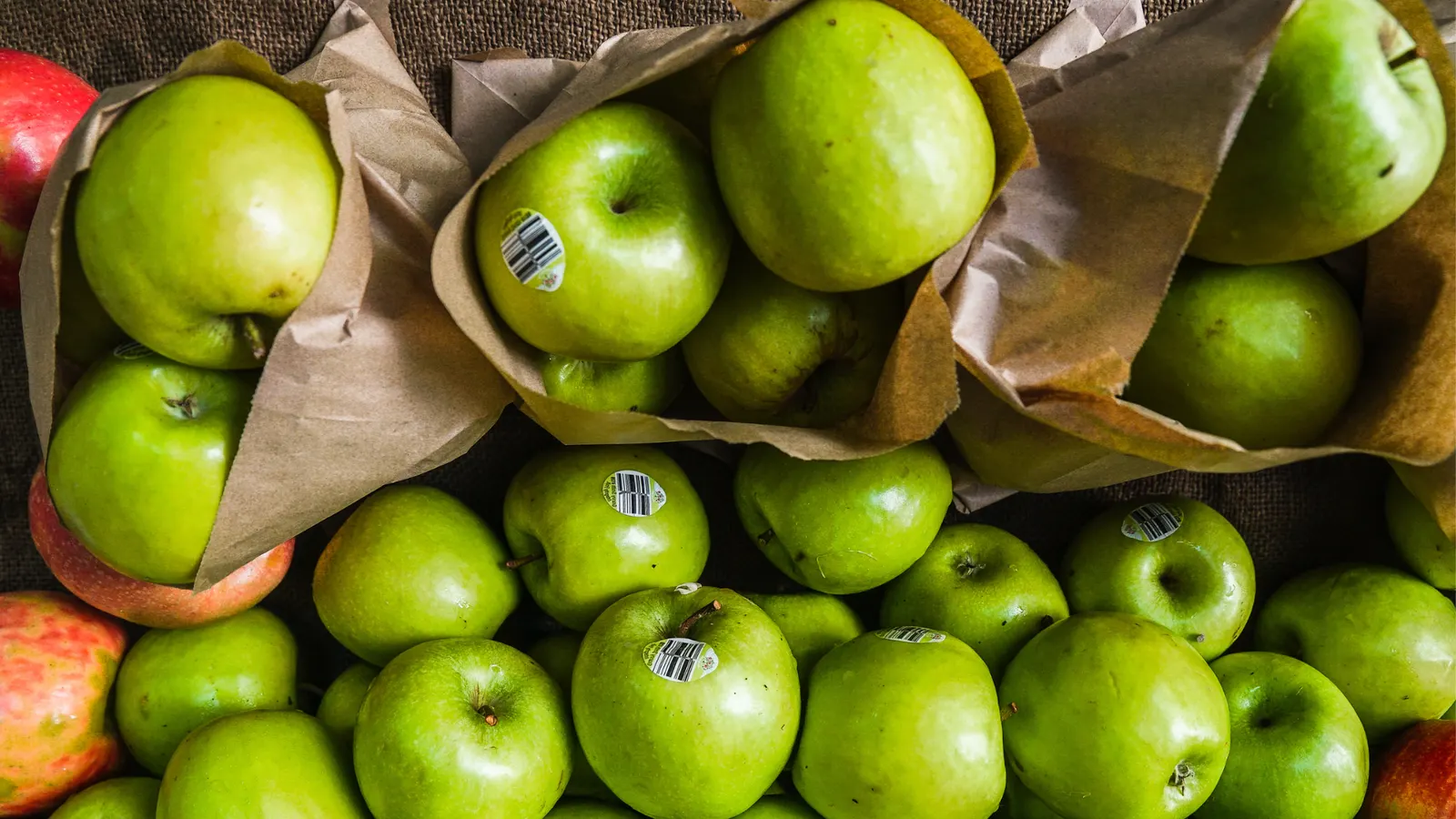
- Circular design. Living-lab projects that turn side streams such as apple and pear pomace into ingredients.
Business and management faculties
Strategy, economics and supply chain
Precision fermentation is a business challenge as much as a science one.
- Market strategy. Go-to-market plans for novel ingredients, from a GRAS conclusion to commercial use.
- Supply-chain modelling. The techno-economics of moving from commodity farming to distributed bio-manufacturing.
The platforms
What you can work with
- Sweetener platform. Fooditive Sweetener® Keto-Fructose (5-keto-D-fructose, 5-KDF). We use a proprietary, non-GMO strain of Gluconobacter oxydans, an organism with an 80-year history of safely making food ingredients like vinegar.
- Protein platform. Non-animal casein, made by precision fermentation with precision-engineered E. coli strains.
- Side streams. Fruit pomace and other by-products as feedstock for new ingredients.
Funding and grants
We fund research together
Ambitious research needs resources. We work with institutes to secure subsidies and public funding.
- Joint grant applications. We apply with institutes for national and EU innovation grants, such as Horizon Europe. We provide the industry letter of intent many calls require.
- Public-private consortia. We join subsidised research consortia that fund PhD positions and lab equipment on our technology roadmap.

Pilot access
From thesis to pilot
Research can leave the lab and enter the market. Here is how pilot access works.
-
Tell us your project
Your course, thesis or research question, your team and your timeline.
-
Agree the scope
Together we set the question, the materials and the supervision on both sides.
-
Run it with us
You do the work; our team supports you. Strong results can grow into a pilot or a spin-off.
We agree the scope, duration and any costs of a pilot with each institute before it starts. Tell us about your project and we will propose a plan.
Questions from institutes
Who can apply for pilot access?
Universities, universities of applied sciences and research institutes, for teaching, theses and applied research in food technology, biotechnology and business.
How do students work with our platforms?
Under a research agreement. Strain designations and process parameters stay confidential to protect the technology.
Can you support a grant application?
Yes. We co-apply for national and EU innovation grants and can provide an industry letter of intent.
Can a student project become a company?
Promising projects can be incubated with our platform data and regulatory frameworks.
How do we apply?
Use the contact form and choose pilot access. Tell us about your institute, your project and your timeline.
Partner on research.
Tell us about your institute and your project. We'll suggest the right first step.